What We Offer
Comprehensive coverage connecting crowdlending finance with urban development realities across Argentina.
Our coverage areas
Six interconnected areas of urban journalism on real estate crowdlending
Geographic Investment Mapping
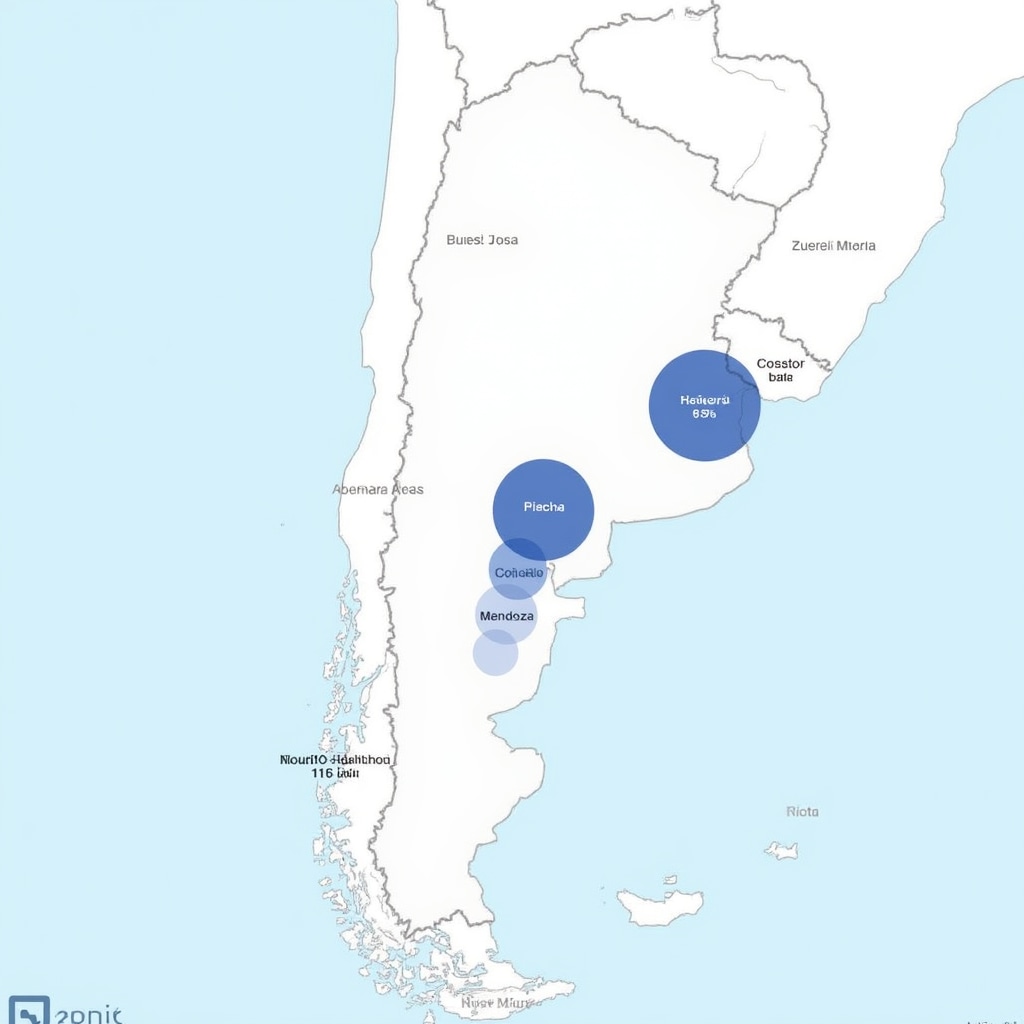
We track where crowdlending capital flows across Buenos Aires and Argentina's interior cities. Which neighborhoods attract the most investment? What factors drive geographic concentration? How do investment patterns evolve over time? Our mapping provides visual understanding of crowdlending's geographic footprint.
Urban Planning Context
Every development project exists within municipal planning frameworks. We examine how crowdfunded projects align with official zoning regulations, infrastructure capacity, and long-term urban development plans. Understanding these planning contexts helps evaluate project viability and community fit.
Neighborhood Impact Analysis
How do crowdlending projects affect existing communities? We explore gentrification dynamics, displacement concerns, changes in neighborhood character, property value impacts, and the social dimensions of rapid real estate development in established neighborhoods.
Regulatory Environment Tracking
The legal framework governing crowdlending evolves constantly. We monitor CNV regulations, legislative proposals, compliance requirements, and policy debates. Understanding the regulatory landscape is essential for all stakeholders in the crowdlending ecosystem.
Market Trend Reporting
Where is crowdlending growing? What property types attract investment? How do market conditions affect project viability? We analyze emerging trends, investment concentrations, and market dynamics shaping Argentina's collective real estate financing sector.
Infrastructure and Services
Real estate development depends on infrastructure capacity. We examine how crowdfunded projects interact with existing transportation networks, utilities, schools, healthcare facilities, and public services. Infrastructure constraints shape development possibilities.
How does geographic mapping help understand crowdlending?
Visual mapping reveals patterns invisible in raw data. When we map crowdlending project locations across Buenos Aires, geographic concentrations become apparent. Certain neighborhoods—Palermo, Belgrano, Núñez—attract disproportionate investment. Other areas receive minimal attention despite development potential.
These patterns raise important questions. Why do specific zones attract crowdlending capital? Proximity to transit? Favorable zoning? Demographic trends? Understanding geographic patterns helps investors identify emerging opportunities while helping planners recognize areas experiencing concentrated private development pressure.
Beyond Buenos Aires
Argentina's interior cities increasingly attract crowdlending attention. Córdoba, Rosario, Mendoza, and smaller markets show growing activity. Our geographic coverage extends beyond the capital to track how collective real estate investment spreads across Argentina's urban landscape.
Why does community impact matter?
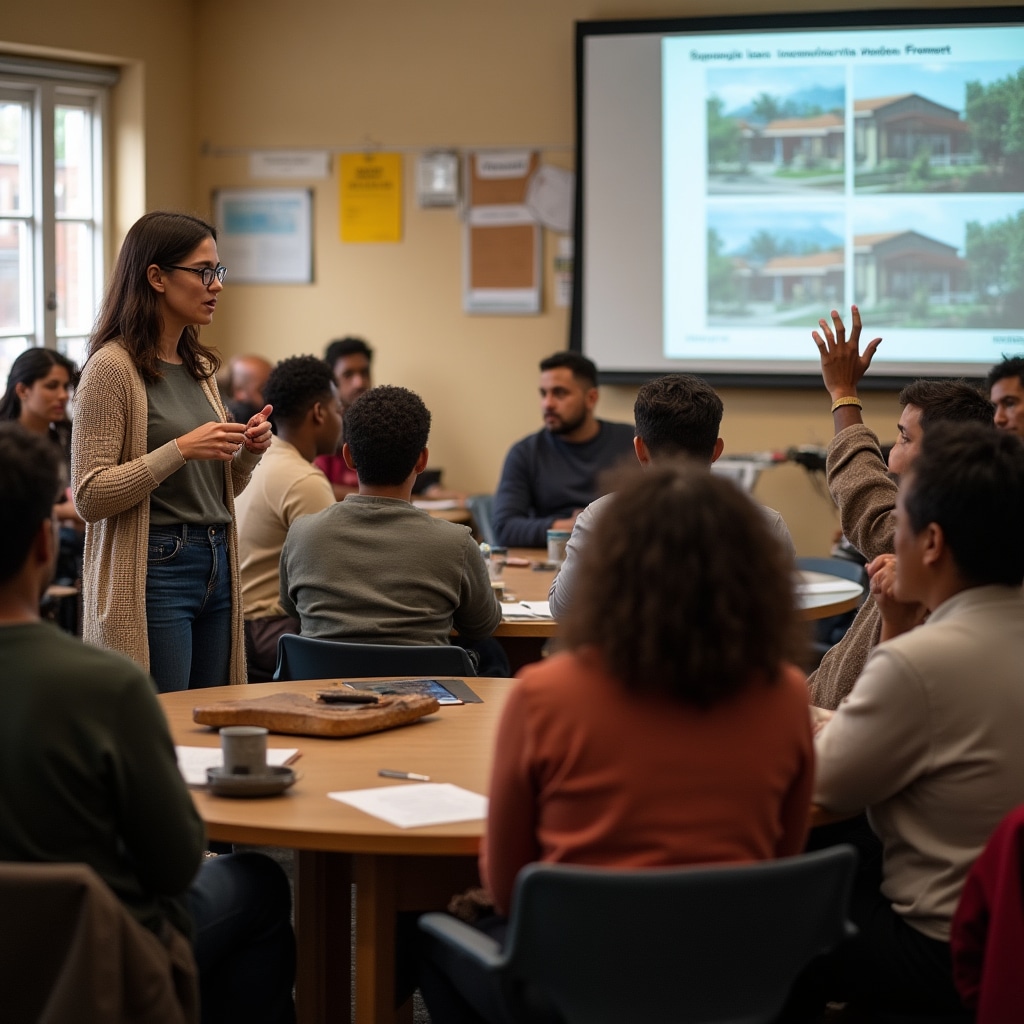
Real estate development affects people. When crowdfunded projects concentrate in specific neighborhoods, existing residents experience tangible changes: construction activity, new neighbors, shifting commercial landscapes, potentially rising property values and rents.
These impacts can be positive—improved amenities, economic vitality, better-maintained properties—or challenging—displacement pressure, affordability concerns, loss of neighborhood character. Honest journalism examines both possibilities without predetermined narratives.
Multiple stakeholder perspectives
Community impact isn't monolithic. Long-term residents, recent arrivals, property owners, renters, local businesses, and community organizations often hold different perspectives on neighborhood transformation. Our coverage seeks to represent this diversity of viewpoints.
What regulatory topics do we cover?
The CNV (Comisión Nacional de Valores) regulates crowdlending platforms in Argentina. These regulations evolve as the sector grows and regulators identify emerging challenges. We track regulatory updates, compliance requirements, and policy debates about how to govern collective real estate investment.
Beyond national regulation, municipal zoning and building codes profoundly affect crowdfunding project viability. Changes in allowed building heights, density restrictions, mixed-use permissions, or parking requirements can make or break project economics. We monitor these local regulatory developments across key markets.
Legislative proposals
Argentina's legislative landscape includes ongoing debates about real estate investment taxation, consumer protections for crowdfunding investors, and frameworks for collective property ownership. Understanding proposed legislation helps stakeholders anticipate potential regulatory shifts.

How we present information
In-Depth Articles
Long-form journalism exploring specific neighborhoods, projects, or policy issues in comprehensive detail. These articles provide thorough context and analysis for readers seeking deep understanding.
News Updates
Timely coverage of regulatory changes, significant project announcements, policy developments, and market shifts affecting the crowdlending sector and urban development landscape.
Data Visualizations
Maps, charts, and infographics making complex urban data accessible. Visual presentations help readers quickly grasp geographic patterns, market trends, and investment concentrations.
Explainer Guides
Educational content explaining how crowdlending works, urban planning processes, regulatory frameworks, and key concepts in real estate development and collective investment.