Where Investment Meets Urban Reality
Real estate crowdlending doesn't exist in a vacuum. Every project reshapes a neighborhood, influences urban planning, and impacts communities. We connect the dots between collective investment and city transformation.
Explore Our MissionWhat is the real impact of crowdlending on Buenos Aires neighborhoods?
Behind every crowdfunded development project lies a complex urban story. Which neighborhoods are receiving the most collective investment? How do these private developments align—or clash—with municipal planning goals? What happens when rapid growth meets infrastructure limitations?
We examine the intersection of finance and urbanism, tracking how crowdlending projects influence neighborhood character, property values, and community dynamics across Buenos Aires and Argentina's interior cities.
Beyond the investment pitch
This platform provides context that investment platforms don't: the urban planning debates, the neighborhood transformations, the regulatory frameworks, and the social implications of real estate crowdlending as it scales across Argentina.
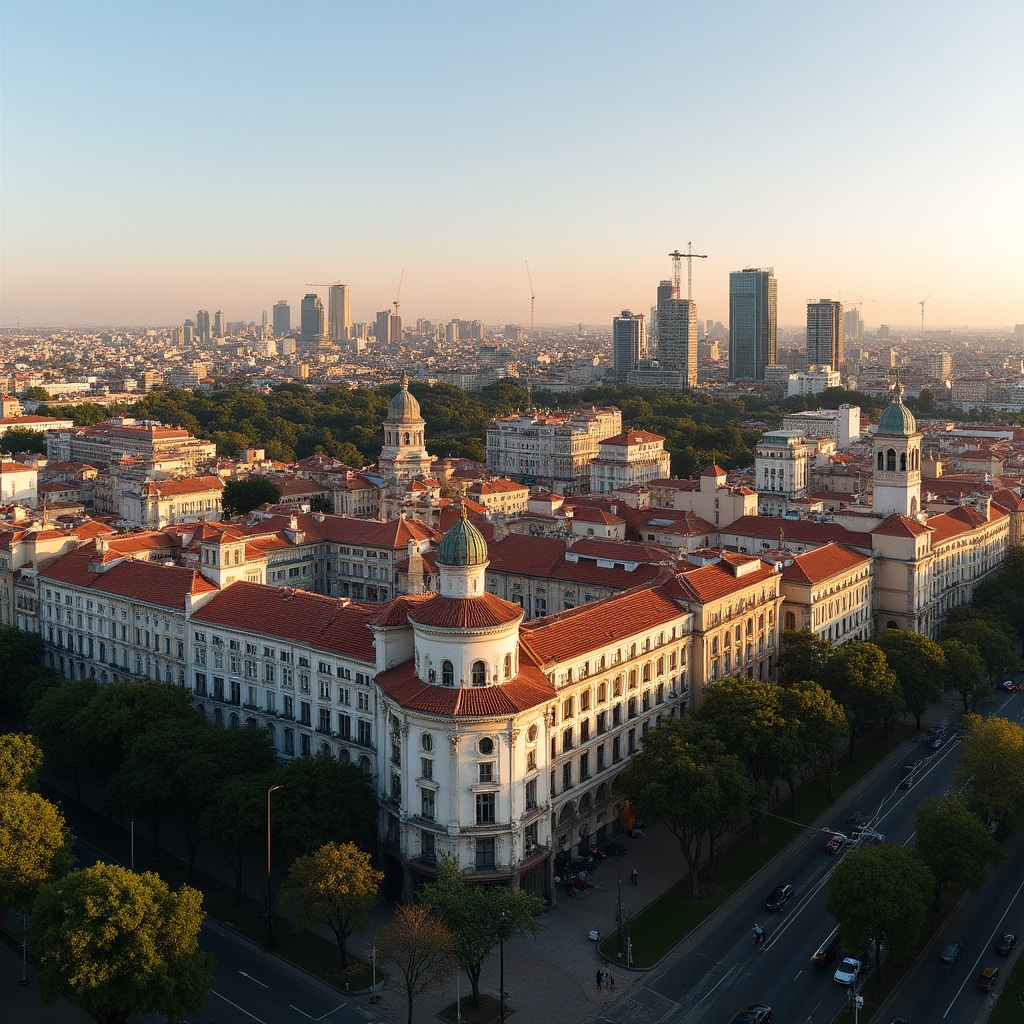
How do we cover crowdlending and urban development?
Our journalism connects financial mechanisms with physical transformation, policy debates with neighborhood realities.
Neighborhood Investment Mapping
We track which Buenos Aires neighborhoods and interior cities are receiving the most crowdlending investment, identifying emerging hotspots and analyzing the factors driving capital concentration in specific urban zones.
Urban Planning Context
Every development exists within municipal planning frameworks. We examine zoning regulations, infrastructure capacity, and how crowdfunded projects align with or challenge official urban development plans across Argentina.
Community Impact Analysis
How do crowdlending projects affect existing residents? We explore gentrification concerns, displacement risks, changes in neighborhood character, and the social dynamics of rapid real estate development.
Regulatory Landscape
The legal and regulatory environment for crowdlending evolves constantly. We cover policy developments, compliance requirements, and debates about how to govern collective investment in real estate.
Market Trend Reporting
Where is crowdlending capital flowing? What property types attract the most investment? We analyze market patterns, investment concentrations, and emerging trends in Argentina's collective real estate financing sector.
Independent Journalism
We are not a crowdlending platform. We don't promote projects or earn commissions. Our coverage is independent, analytical, and focused on the urban and economic implications of this growing sector.
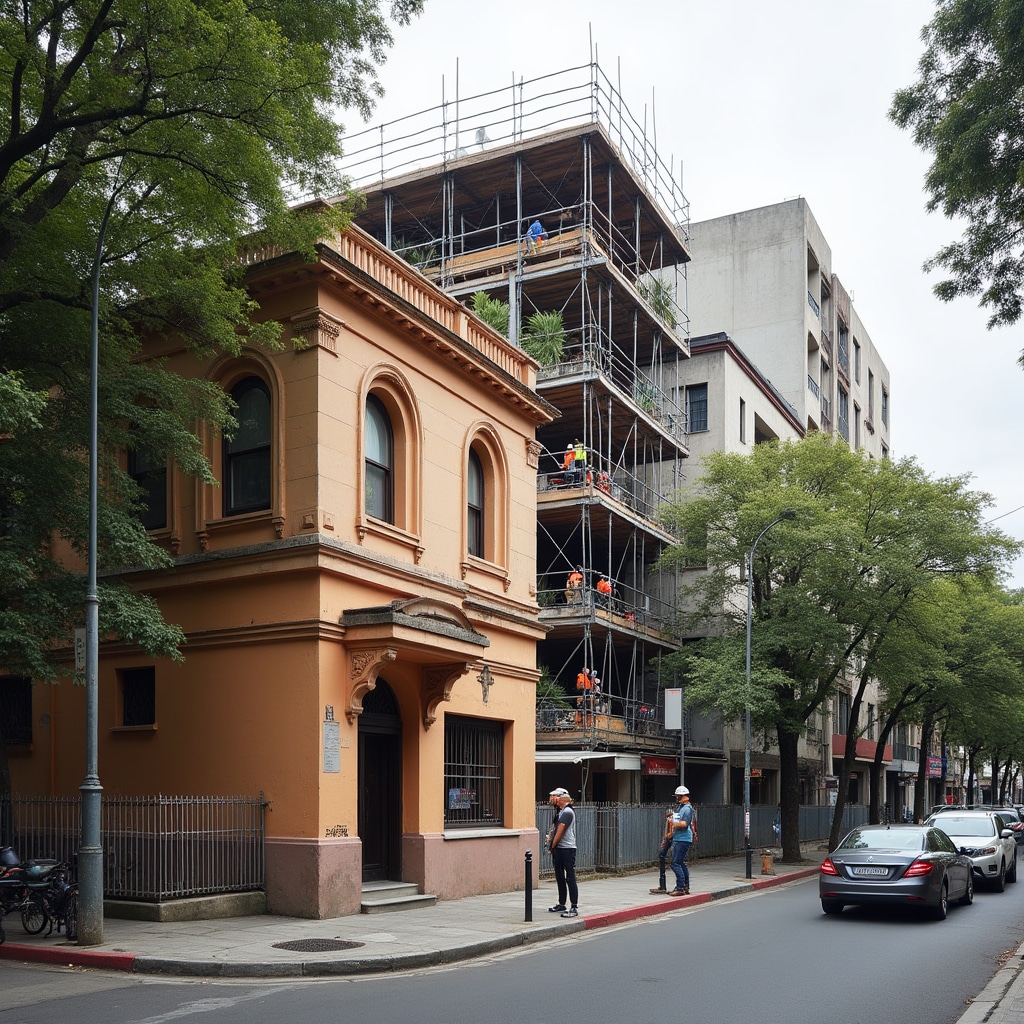
Why does urban context matter for crowdlending investors?
Understanding the urban environment surrounding a crowdlending project provides crucial context for evaluating its viability and impact. Infrastructure availability, zoning changes, neighborhood trends, and municipal development plans all influence project success and community reception.
Investors benefit from understanding these broader urban dynamics. Neighborhoods experiencing infrastructure improvements, transit expansions, or favorable zoning changes may offer different risk-return profiles than areas facing development constraints or community opposition.
The bigger picture
Real estate development never happens in isolation. It's shaped by municipal policies, infrastructure capacity, demographic shifts, and community dynamics. Our coverage helps readers understand these interconnected factors.
Common Questions About Our Coverage
Do you promote specific crowdlending platforms or projects?
No. We are an independent journalism platform. We don't promote projects, earn commissions, or have financial relationships with crowdlending platforms. Our coverage is analytical and contextual, focused on urban and economic implications rather than investment promotion.
Which geographic areas do you cover?
We focus primarily on Buenos Aires and its metropolitan area, while also covering crowdlending activity in Argentina's interior cities including Córdoba, Rosario, Mendoza, and emerging markets where collective real estate investment is growing.
How do you approach neighborhood impact reporting?
We examine multiple perspectives: existing residents, new developments, municipal planners, and broader urban trends. Our goal is to present the complex realities of neighborhood transformation without simplifying into purely positive or negative narratives.
What makes your coverage different from investment platforms?
Investment platforms focus on project promotion and investor acquisition. We provide urban context, policy analysis, neighborhood dynamics, and critical examination of how crowdlending fits into broader urban development patterns. We're journalists, not marketers.
Do you cover regulatory and legal developments?
Yes. The regulatory environment for crowdlending evolves constantly. We track CNV regulations, municipal zoning changes, legislative proposals, and policy debates that affect how collective real estate investment operates in Argentina.
Can you provide investment advice or recommendations?
No. We are journalists, not financial advisors. We provide information, analysis, and context about urban development and crowdlending trends. Readers should consult qualified financial professionals for investment guidance.
Connect With Our Editorial Team
Questions about our coverage? Story tips? Reach out through any of these channels.